
Creating Communities at Makom
July 27, 2026

The world of intellectual and developmental disability (IDD) services is constantly evolving. Even the language we use changes as we continue learning how to better reflect and respect the people we support. When I first became a Direct Support Professional, I was taught to refer to the people I worked with as “clients” or “consumers.” Before long, those terms gave way to “individuals.” Today, you’ll most often hear me say “the people I support.” A few years from now, that language may evolve again as our understanding continues to grow.
One thing, however, has remained constant: the importance of community. That raises an important question. If our language continues to change, but community remains at the heart of our work, what do we really mean when we talk about community? Community is much more than a physical place or a service setting. It is about people, relationships, and connection. It is shaped by the circles we choose to be part of, the relationships we build within those circles, and the shared experiences that give those relationships meaning. At its core, community is rooted in choice and personal agency.
Because of that, community is inherently person-centered. It cannot be assigned to someone or created for them by someone else. Instead, it begins by asking a simple but powerful question: Where does this person want to belong? For one person, community might be a synagogue, a volunteer organization, a gaming group, a neighborhood coffee shop, or a workplace. For another, it may begin with a small circle of trusted friends and supporters. The specific setting matters far less than the person’s own sense of connection, identity, and belonging within it.
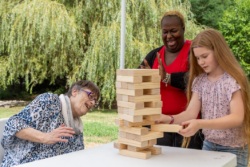
Community is also built on interdependence. It is not simply a place where people receive support. It is a place where people matter to one another. In a true community, people depend on each other, notice each other’s absence, celebrate each other’s successes, and contribute in meaningful ways. Belonging means more than being present. It means having something to offer, being valued for who you are, and knowing that your presence makes a difference.
Community is also something we do. It is an action and an ongoing choice.We can invite people into community, remove barriers that stand in their way, and support them as they build meaningful connections, but we cannot manufacture belonging. A group activity is not automatically a community. Sharing the same space is not the same as belonging. Even inclusion, while essential, is only the beginning. Being surrounded by people does not necessarily mean being known, valued, or connected.
Real community grows through relationships that are chosen, opportunities to contribute, and environments where differences are not simply accepted but appreciated. This is why community matters so deeply. It gives people a sense of purpose, belonging, and connection to something larger than themselves. That need is not unique to people with IDD. It is a fundamental part of being human. We all find meaning through the relationships we build, the roles we play, the routines we share, and the communities where we feel seen, valued, and needed.
As the Community Programs Coordinator at Makom, my role is to help turn this understanding of community into reality. While I organize and facilitate group activities, my goal is never simply to fill a calendar or bring people together in the same room. My goal is to create opportunities for choice, contribution, meaningful relationships, and belonging.
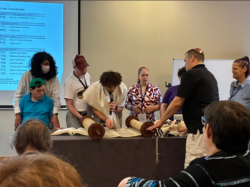
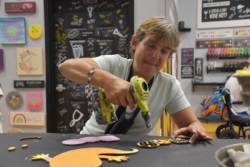
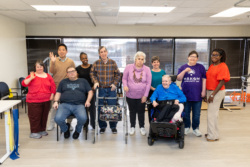
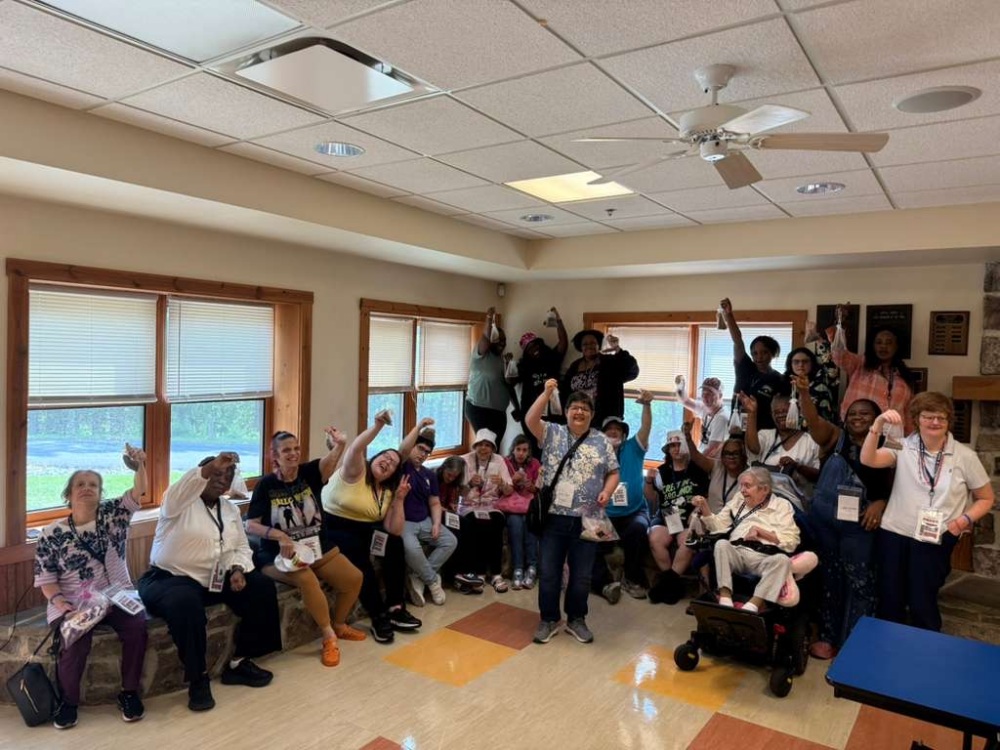
That means designing experiences where people can build communication skills, collaborate with others, make decisions, take on leadership roles, and form authentic connections. It means supporting people as they strengthen friendships, discover new interests, and build relationships that extend beyond Makom. Community Day is a perfect example. Rather than simply participating in an activity, the people we support led a donation-packing event benefiting charitable causes they selected themselves. What could have been just another group event became an opportunity for leadership, service, shared purpose, and meaningful contribution.
The same philosophy guides my work with people who want to create their own clubs, teach classes based on their interests, or explore career opportunities. When someone builds a club around a passion, shares their knowledge with others, or takes steps toward a meaningful role in the broader community, they are doing far more than participating in a program. They are exercising choice, developing confidence, contributing their strengths, and creating genuine belonging.
Ultimately, that is what community is all about. It is not something we provide. It is something we help make possible. My role is not simply to coordinate programs. It is to help create the conditions where community can flourish: where it is chosen rather than assigned, built on mutual relationships rather than services alone, active rather than passive, and deeply rooted in the lives, aspirations, and voices of the people we support.
My role is not simply to coordinate programs. It is to help create the conditions where community can flourish.