








5 Myths about Occupational Therapy
April 16, 2026

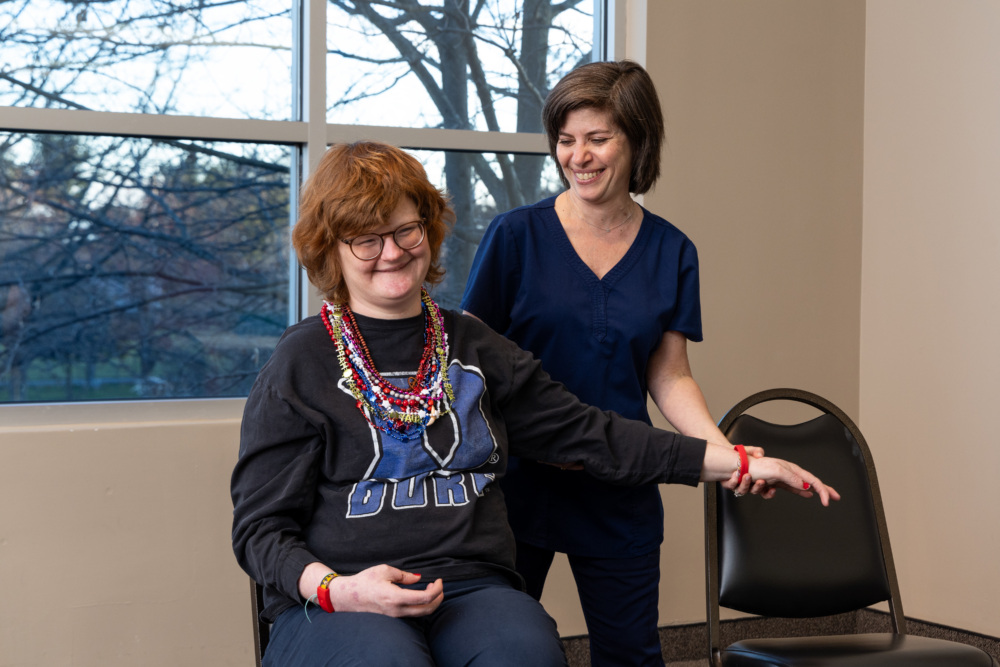
When I meet new people, the most common question I hear is: What is occupational therapy (OT)? It’s a great question, and I’m always happy to answer!
The word “occupation” is misleading. It often makes people think of jobs or employment. But in reality, occupational therapy is about something much more personal: your ability to do the everyday activities that make up your life. These are the things many of us don’t think twice about, but for some, they can be challenging without the right support.
To help make this clearer, I’d love to walk through a few common misconceptions and share what occupational therapy really looks like in practice.
Myth 1: “Occupation” means employment
Reality: In occupational therapy, “occupation” refers to any activity that fills your day and gives your life meaning. This includes things such as getting dressed, bathing, cooking, working, socializing, and participating in hobbies. Our goal is to help you engage in these daily activities as confidently as possible.
Myth 2: Occupational therapy is the same as physical therapy
Reality: While occupational therapists and physical therapists often collaborate, our roles are different. Physical therapy focuses on movement, including strength, balance, and mobility. Occupational therapy sees doing the activity itself as part of the therapy. Activities can include strengthening fine motor skills, which are small movements using the hands and fingers such as buttoning a shirt or writing, and gross motor skills which are larger movements using the arms, legs, or whole body such as getting in and out of a car. Occupational therapy also supports cognitive skills that help with thinking, planning, and completing daily activities.
Myth 3: Occupational therapists only treat physical disabilities
Reality: Occupational therapy helps people manage emotional, sensory, and cognitive challenges that can make daily life difficult. For example, therapists may break down tasks into simple steps for someone with cognitive challenges, or create sensory-friendly strategies to manage anxiety in stressful situations like a grocery store visit. As a result, occupational therapy focuses on building routines, strategies, and supports that promote confidence and self-determination in everyday life.
Myth 4: It’s just “playing” or arts and crafts
Reality: While sessions can look fun and often are, every activity we use is intentional and goal-driven. Whether it’s painting to improve hand-eye coordination or playing a game to support attention and problem-solving, each activity is carefully chosen to build meaningful skills.
Myth 5: Occupational therapists only work in hospitals
Reality: Occupational therapists work in many different settings, including our very own Makom Clinical Services. To find out more about our services please call 240-283-6000 and follow the prompts. We are located at 6101 Executive Blvd, North Bethesda, MD, 20852.
If you’ve ever wondered whether occupational therapy could support you or someone you care about, you can reach Marcy Schlissel directly at mschlissel@makomlife.org. I am always happy to talk more and answer questions.
Occupational therapy is personal; it focuses on your ability to engage in the everyday activities that make up your life.